For Indian classical dance traditions to survive across generations, artistic knowledge must move continuously from teachers to students. This process requires disciplined training, exposure to performance opportunities, access to cultural resources and an environment in which young artistes can develop their own artistic identity. The work of Vikram Kumar B R, also known as Bathina Vikram Goud, has focused significantly on creating such opportunities for the next generation of Indian classical performers.
A Kuchipudi artiste himself, Vikram Kumar has combined his experience as a performer and choreographer with institutional initiatives, festivals, competitions and educational programmes. His broader approach is based on the idea that young dancers should not merely learn movements but should understand the history, traditions, literature, music and cultural context associated with classical dance.
Training Beyond the Classroom
Vikram Kumar’s own artistic education provides an important background to this approach. He developed an interest in the performing arts during childhood with encouragement from his father and later pursued formal higher education in Kuchipudi.
He completed a Master of Arts in Kuchipudi with distinction from Andhra University. During his university years, he was also involved in the establishment of the Department of Dance, giving him experience in the institutional side of arts education.
His postgraduate research explored Siva Thandavam and Saptha Thandavam within the Kuchipudi tradition. He also undertook comparative academic work involving the literary works of poet Puttaparthi Narayanacharyulu. His dissertation received 100 percent approval from Andhra University, according to his published profile.
This combination of practical training and academic research has influenced his subsequent approach to classical dance education.
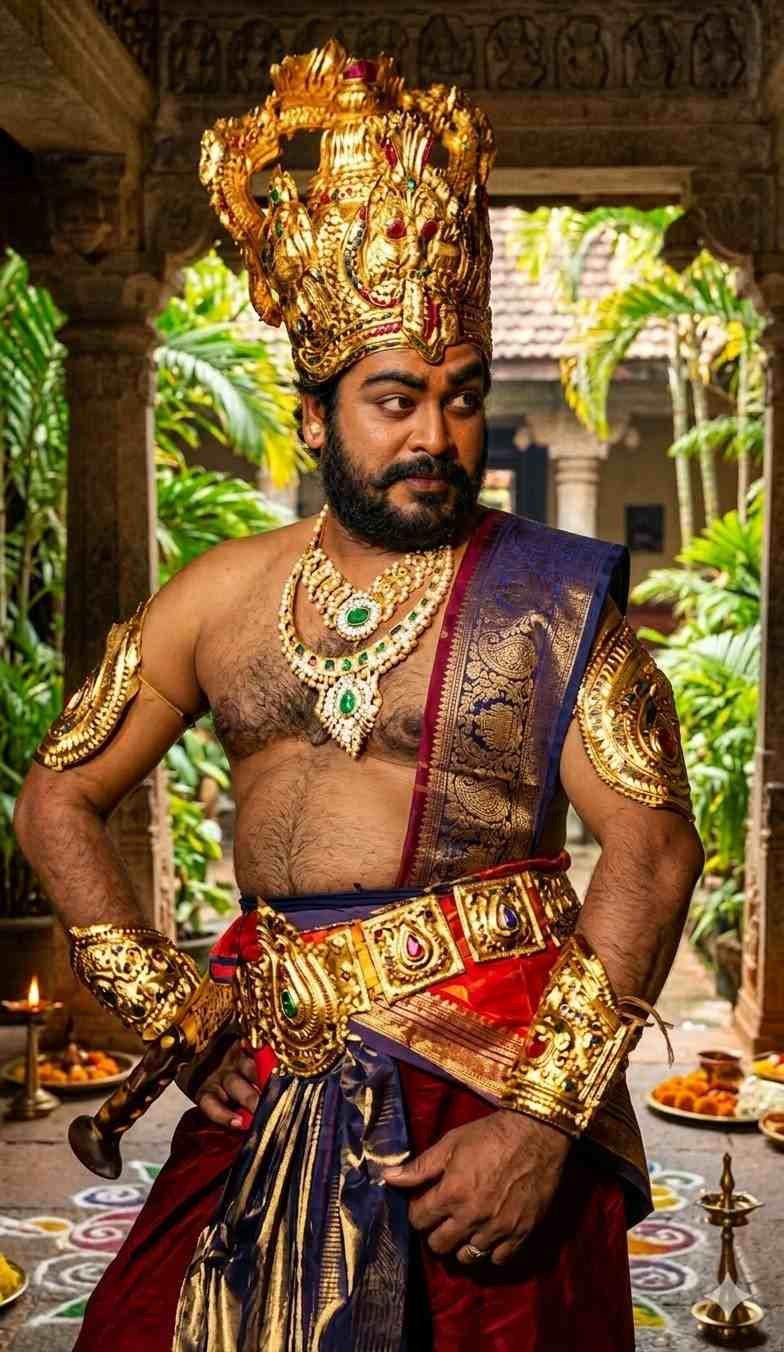
Creating Opportunities Through Nataraj Music and Dance Academy
A major step in this direction came in 2000, when Vikram Kumar established the Nataraj Music and Dance Academy (NMDA).
The academy was conceived as a cultural service centre rather than simply a place for dance instruction. Its activities have included training in Kuchipudi and other Indian artistic traditions, workshops, seminars, competitions and cultural programmes.
NMDA’s stated objectives include nurturing artistes, encouraging younger generations to take interest in classical and folk traditions, and creating platforms through which performers can gain experience. The organisation identifies Bathina Vikram Goud as its Founder and President.
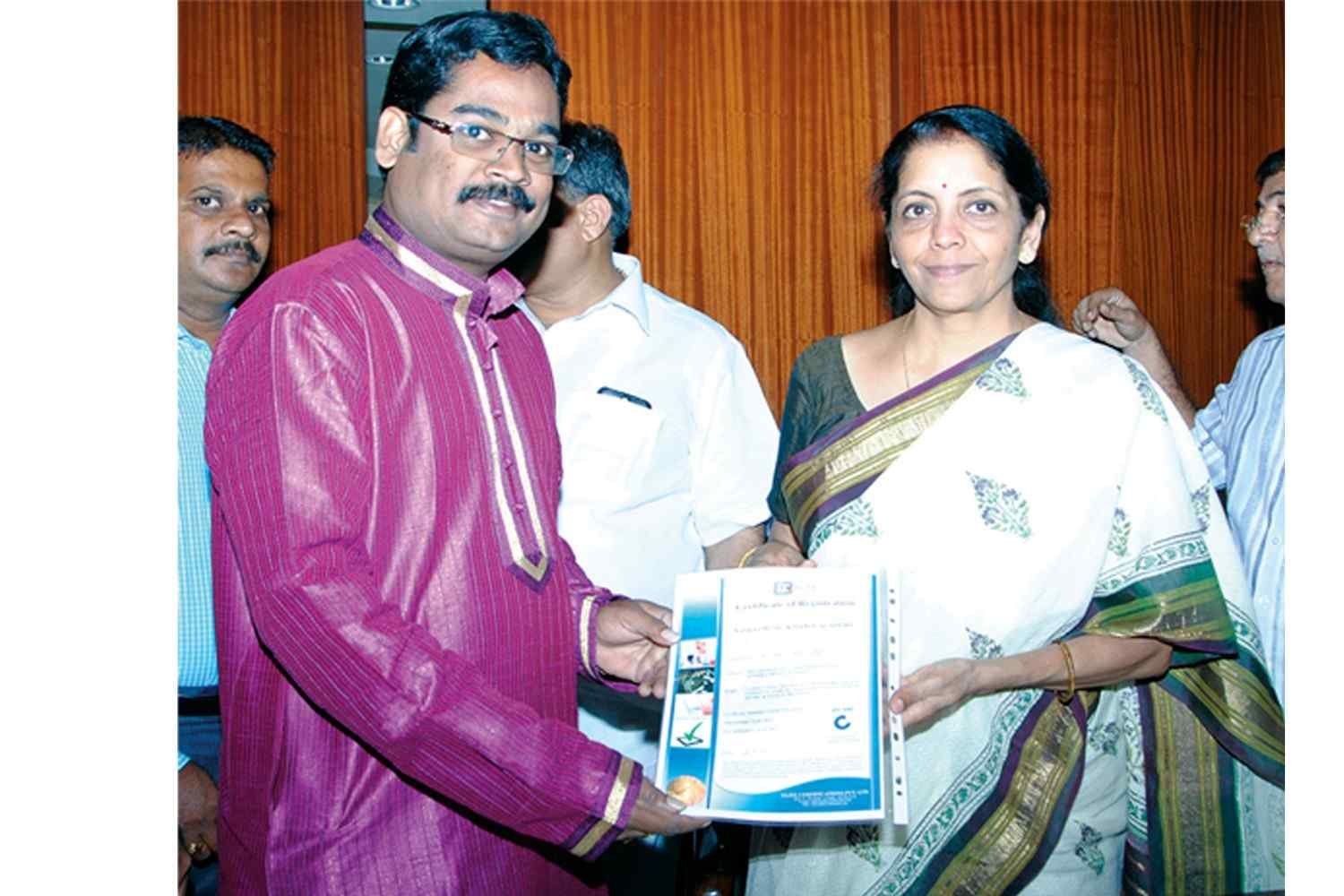
The academy’s institutional development has included ISO certification and membership of the International Dance Council (CID) at UNESCO, according to the organisation’s profile.
Festivals as Learning Platforms
Vikram Kumar’s approach to nurturing young performers extends beyond formal training. His festival initiatives have provided opportunities for dancers to perform before wider audiences and interact with established practitioners.
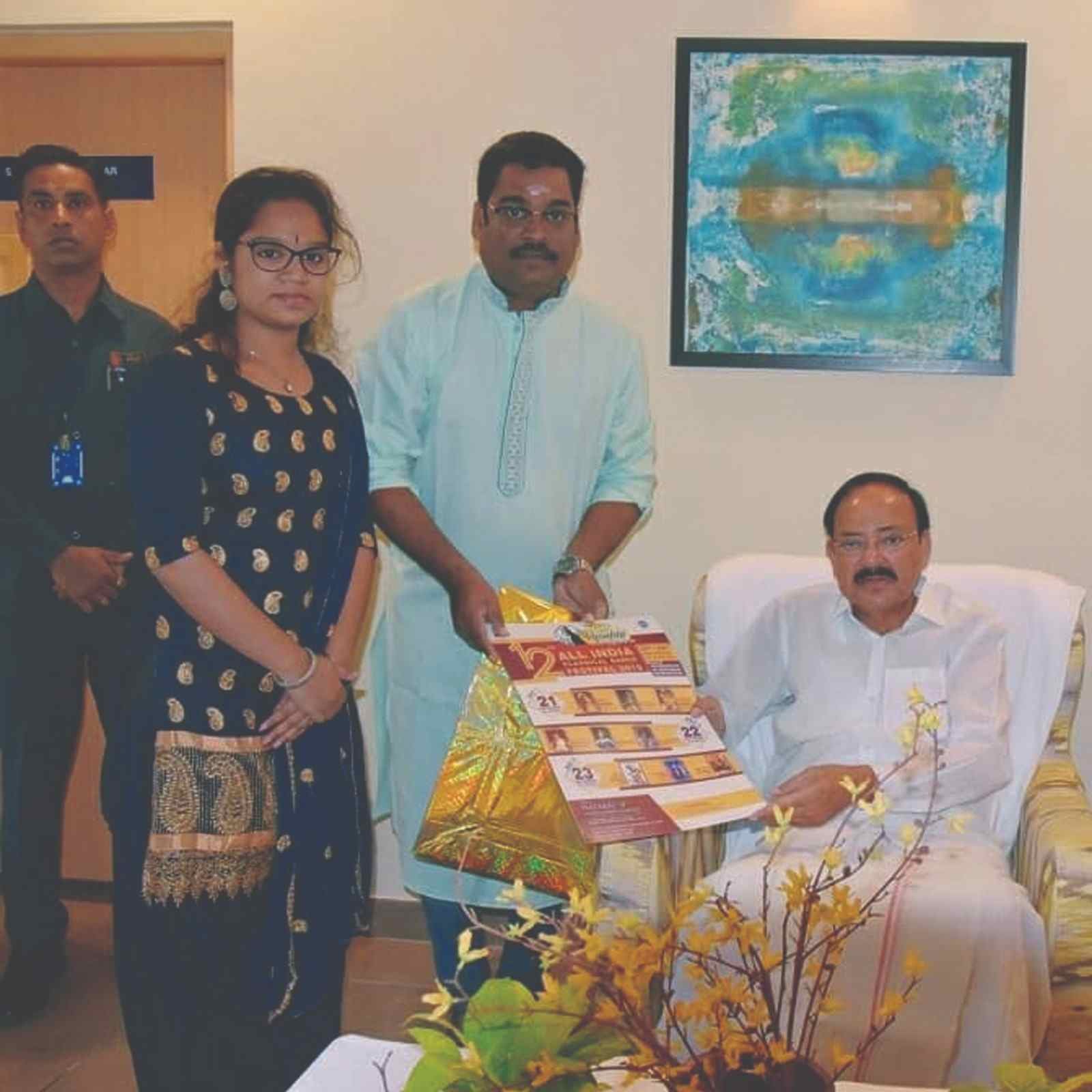
The Vysakhi Nrithyotsav, established in 2008, emerged as an All-India classical dance festival. The platform has brought together artists representing different classical traditions, creating opportunities for audiences and young performers to experience India’s diverse dance heritage.
His festival initiatives later expanded through platforms including Bharat Nrithyotsav, Nataraj Nrithyotsav, Naatya Tharang Sangeeth Nrithyotsav, Sathyabhama Yuva Nrithyotsav, Jathis Music & Dance Festival, Amaravathi Nrithyotsav and the Jathis International Dance Festival.
The emphasis on youth is particularly visible in the Sathyabhama Yuva Nrithyotsav and the Jathis International Dance Festival, which were designed to create additional platforms for emerging artistes.
Connecting Young Dancers with Established Masters
One of the challenges faced by students of classical dance is the transition between training and professional performance. A young artiste may spend years learning a traditional form but have limited access to large public stages or senior practitioners.
Vikram Kumar’s festival model attempts to address this gap by bringing established performers and emerging artistes into the same cultural environment.
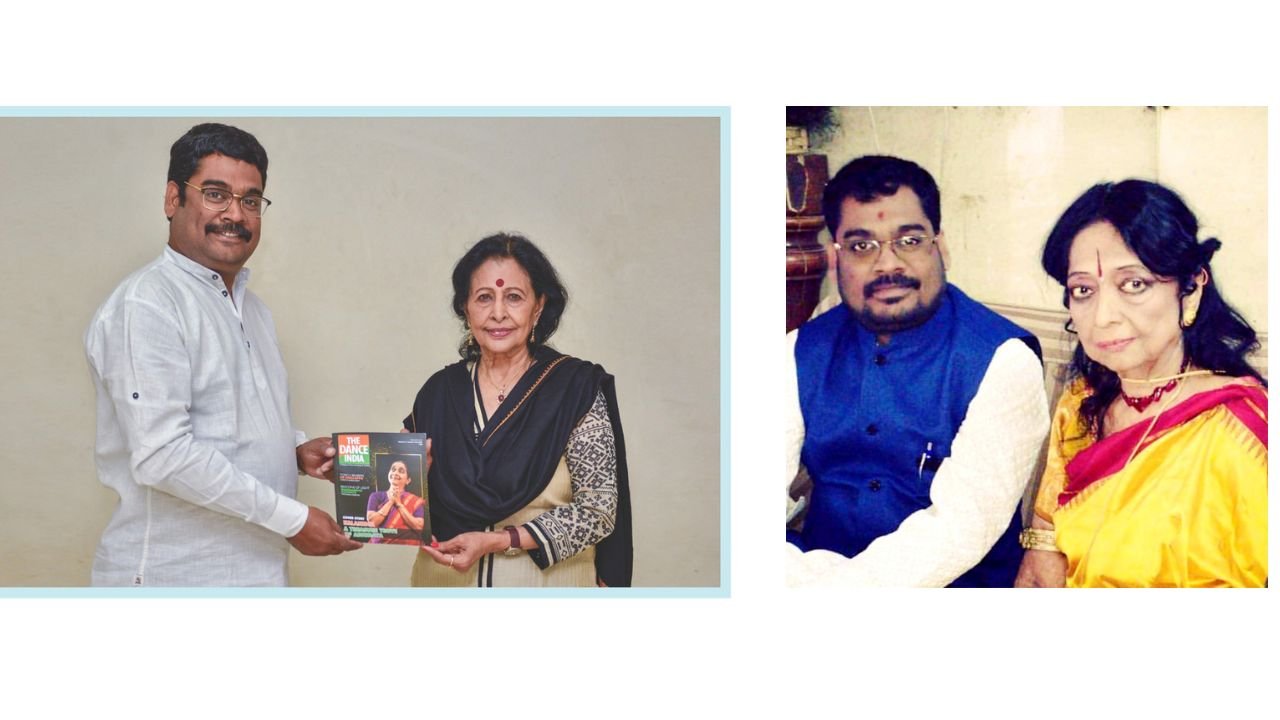
His initiatives have featured Padma awardees, Sangeet Natak Akademi fellows, senior gurus and young dancers, creating opportunities for interaction and exposure. Such platforms can allow younger performers to observe established artists closely while gaining experience in professional stage presentation.
The importance of such exposure extends beyond performance technique. Students can learn about repertoire selection, choreography, stage discipline, music coordination, presentation standards and audience engagement.
Preserving Authenticity While Encouraging Young Talent
Vikram Kumar’s work with young artistes also connects with his wider concern about preserving authenticity in Indian classical arts.
The increasing availability of dance content through digital platforms has created unprecedented access to performances and learning material. At the same time, it has raised questions about attribution, copying, context and the responsible use of artistic material.
In his role as Editor-in-Chief of The Dance India, Vikram Kumar has continued to discuss issues surrounding the preservation and authenticity of Indian classical dance. A recent article published under his name, for example, discusses concerns surrounding contemporary experimentation and the preservation of the traditional grammar of Indian classical dance forms.
For emerging dancers, therefore, his approach involves not only providing opportunities to perform but also encouraging respect for the traditions they inherit.
Building a Sustainable Cultural Future
The long-term objective behind these initiatives is to create a stronger cultural ecosystem in which young artistes can continue their artistic journey.
Competitions, festivals, workshops, publications and institutional training can collectively provide students with exposure that goes beyond routine classroom practice. They can also help classical dance reach audiences who may otherwise have limited contact with traditional performing arts.
Vikram Kumar’s work illustrates a broader philosophy: the future of Kuchipudi and other Indian classical forms depends on the quality of the next generation of practitioners.
By combining his experience as a Kuchipudi artiste with institutional leadership and festival organisation, he has sought to create pathways through which students can move from learning to performing and eventually to becoming teachers, choreographers and cultural leaders themselves.
His contribution to young artistes is therefore not limited to creating individual performance opportunities. It is part of a larger effort to ensure that India’s classical traditions continue to have knowledgeable practitioners who can preserve their foundations while responsibly carrying them into the future.